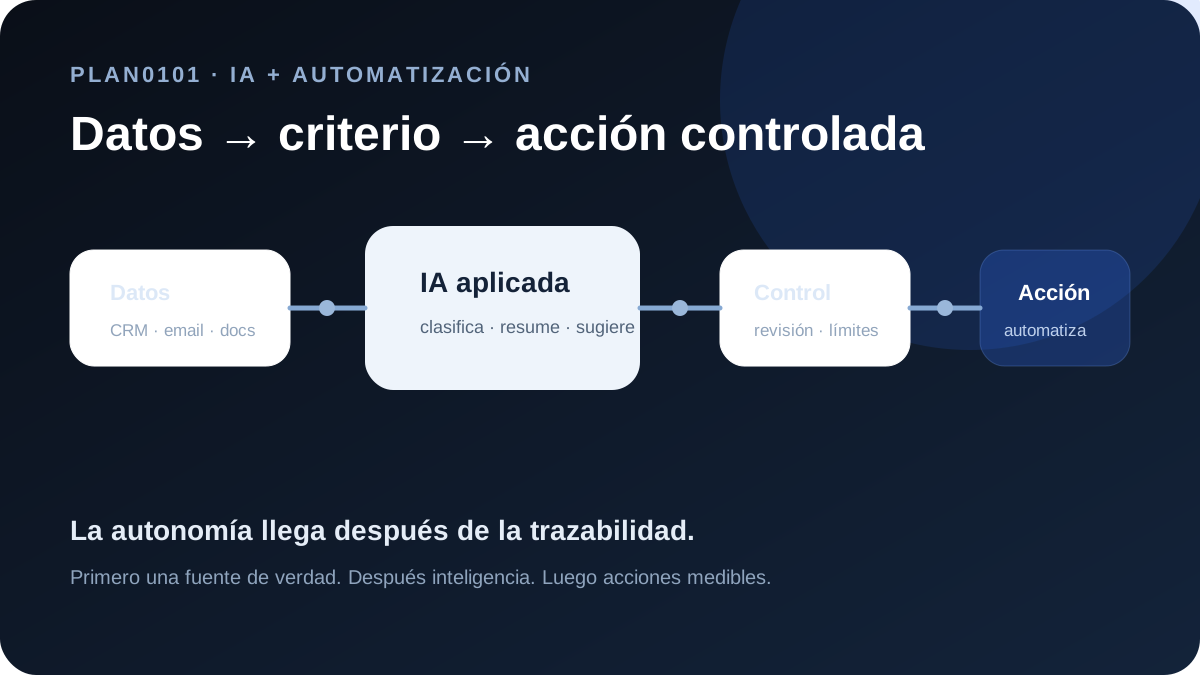
Automation is a workflow problem before it is an AI problem
Useful automation starts with a repeatable process that has identifiable inputs, decisions and outputs. AI can improve classification, extraction, drafting, retrieval and recommendation, but it does not remove the need to define ownership, trusted data and failure behavior.
The strongest first use cases are often less theatrical than a general-purpose assistant. They are frequent tasks where the team already knows what good work looks like and spends too much time repeating it.
- Classify inbound requests or leads.
- Extract structured fields from documents and email.
- Prepare drafts for human review.
- Enrich records and detect missing information.
- Generate operational summaries from existing systems.
Prioritize volume, friction and reversibility
A candidate becomes attractive when it combines meaningful volume with reasonably stable rules. If mistakes are visible and reversible before they affect a customer or material decision, the first release carries less risk.
Rank opportunities with frequency, minutes per case, variability, error impact and reviewability. This produces a more useful backlog than selecting ideas simply because they use generative AI.
- Frequency of the task.
- Human time per case.
- Number of exceptions.
- Impact of a wrong action.
- Ease of detecting and correcting mistakes.
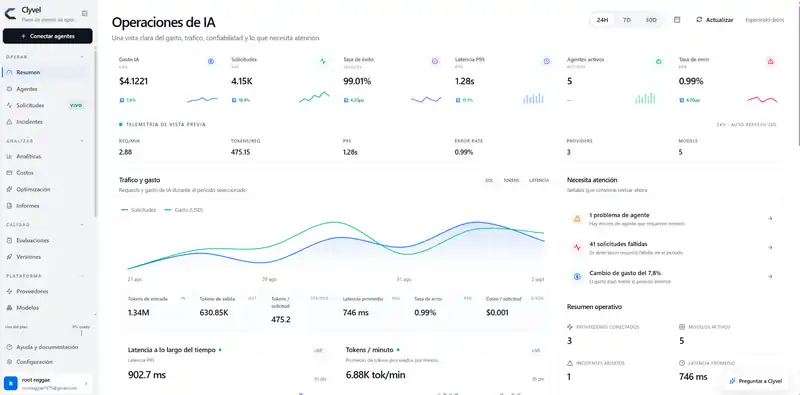
Build the data and workflow layer before autonomy
If context is scattered across inboxes, CRMs, spreadsheets and messages, the first useful system may be an operational data layer rather than an autonomous agent. A model connected to inconsistent data can generate polished answers about an incomplete reality.
A durable architecture separates channels, operational state, business rules, intelligence and execution. AI begins as a controlled layer with specific permissions, then gains autonomy as evaluations and operating evidence improve.
- Defined source of truth.
- Identity and permissions.
- Recorded workflow states and events.
- Logs for recommendations and actions.
- Human fallback for uncertain cases.
High-leverage business patterns
In revenue operations, software can detect conversations without replies, stalled opportunities or missing deal data and recommend the next action. In operations, it can classify tickets, extract fields and route work. In administration, it can structure documents and prepare reports.
The repeatable pattern is an AI layer reducing cognitive repetition while the software layer preserves state, permissions and traceability. That is usually more valuable than an isolated chat interface.
- Lead routing and prioritization.
- Context-aware follow-up assistance.
- Email and ticket classification.
- Structured document extraction.
- Condition-based operational alerts.
- Team briefings and summaries.
Move from prototype to production
Define a metric before implementation: handling time, throughput, response speed, error reduction or adoption. Keep a stable set of real examples for evaluation. When external models are used, observe cost, latency, rate limits and failures.
Design the failure path explicitly. What happens when data is missing, a provider times out or confidence is low? Production systems are distinguished by how they handle these secondary paths, not by the best-case demo.
- Business and technical success metrics.
- Evaluation set based on real cases.
- Cost limits and rate limits.
- Logs and traceability.
- Human review where risk requires it.
- Rollback or disable path.
Frequently asked questions
What business process should we automate first?
Choose a frequent, measurable process with reasonably stable rules and reversible errors. High volume with moderate risk usually creates the best first learning cycle.
Should AI take actions automatically?
Not in every first release. Start with recommendations, add narrow permissions for low-risk actions and expand autonomy only when quality and controls are demonstrated.
Do our data need to be perfect first?
No, but trusted sources must be identified. Many successful projects begin by consolidating and normalizing operational data before adding intelligence.
Find the first AI workflow worth putting into production
PLAN0101 maps processes, separates safe automation from high-risk decisions and designs an initial system around measurable value.
Explore AI systems